What Owners and Developers Check Before They Ever Call a General Contractor
Schedule a Strategy CallA developer hears your name from an architect. A hospital facilities director drives past your sign on a job across town. A school district’s owner’s rep gets your qualifications in a stack of eight. In every one of those cases, the very next step is the same, and it happens before anyone picks up the phone. They look you up. That quiet bit of research decides whether you ever get the call, and most contractors never find out it happened.
In other words, by the time an owner calls, they have already decided you are worth a conversation, and they have probably decided who else they are talking to. Here is what they are looking for while they decide, based on what owners and owner’s reps have told us over many years.
Proof that you have built something like their project
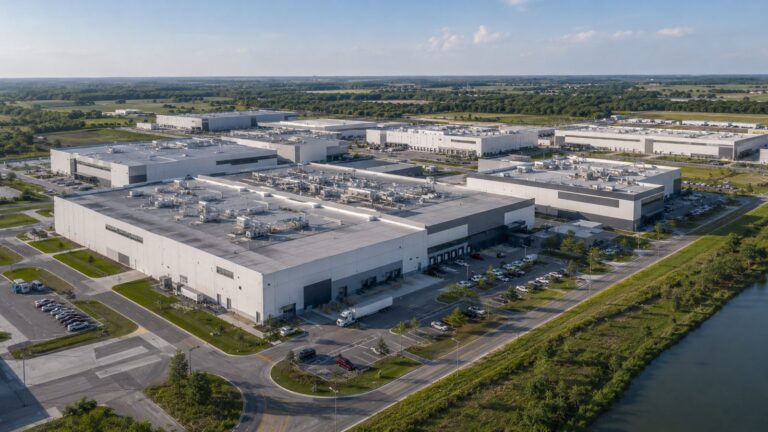
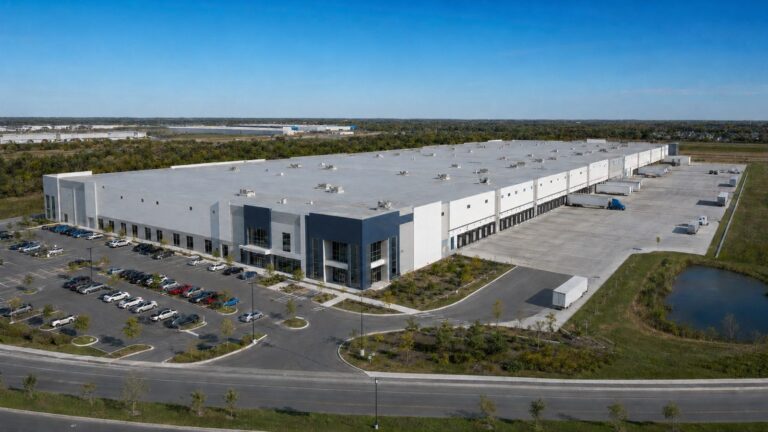
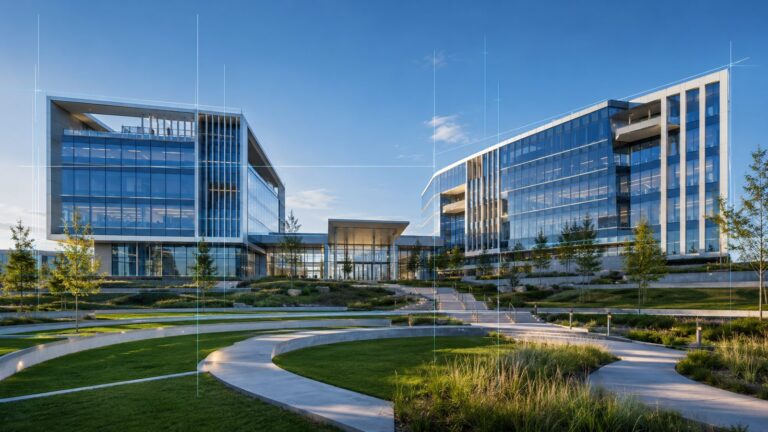
Owners go straight to your projects page and scan for their building type, size and location. A “Healthcare” label with six photos is not enough. If they are planning a renovation inside a working hospital, they want to see one, and they want to understand what made it hard and how your team handled it. The same goes for a school that had to stay open, a tilt-up warehouse on a tight schedule, or a tenant improvement in an occupied office tower.
When project pages are just a photo and a name, the most persuasive part of your story is missing. A short write-up covering the challenge, what the team did and how it turned out gives an owner a reason to believe you can do it again. It also gives them language to explain their choice to a board or a boss. We wrote more about that in why the case study is a contractor’s best sales tool.
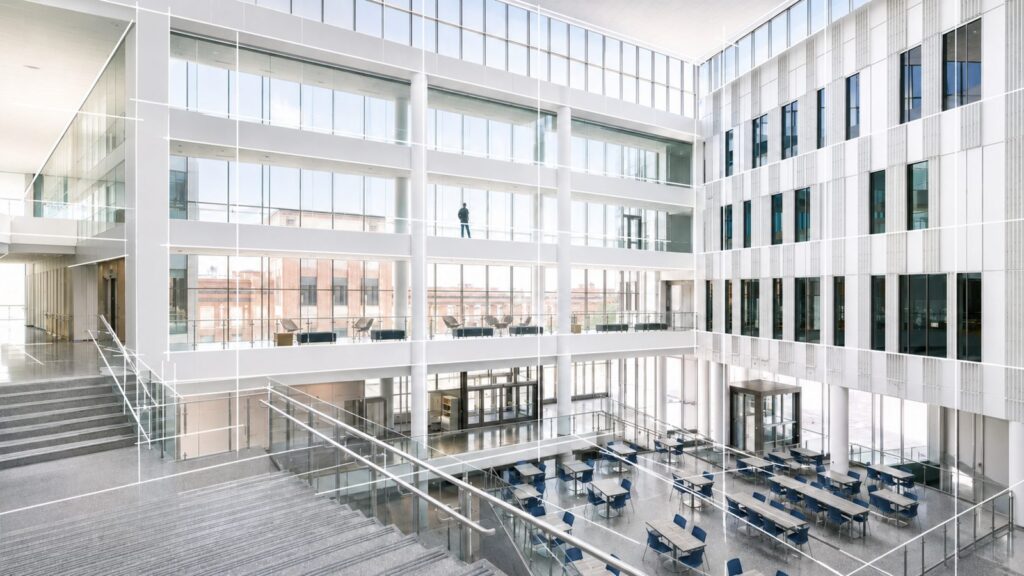
Right behind the projects page, owners look for the people. A team page with real names, photos and a line about the projects each person has led does a lot of quiet work, because owners are hiring people. A page that only shows the executives tells them who signs the contract, not who shows up on Monday morning. Keeping those pages current is usually the hard part. Superintendents have hundreds of great photos sitting in Procore or on their phones, so a simple routine for sending the best few to marketing at each milestone keeps the website fresh without anyone feeling like they took on a second job.
Free template
Statement of Qualifications Checklist
The list we walk before every submission, so nothing an owner scores gets missed. It is editable in Google Drive, so you can put your own logo on it.
Use your work email so we can send the right templates. We send it by email only.
Check your inbox. Your template is on its way.
Signs that you are busy, stable and trusted
A news section last updated three years ago raises a question nobody will ask you to your face. So does a website that is hard to use on a phone, which is where a lot of this research happens. Recent project updates, community involvement, new hires, safety milestones and awards all say the same thing: this company is active and well run. Owners care about that more than ever, because a contractor in trouble halfway through a project is every owner’s worst case.
Trust signals matter just as much. Testimonials from owners and architects, repeat clients, association memberships and safety records all help. A quote from a named client with a title carries far more weight than an anonymous “great to work with,” which is why we always encourage clients to ask for a short quote at closeout, when everyone is happiest. We practice what we preach here too.
Coral has a strong desire to see her clients’ success soar beyond what they think is possible.
Mike Akerson, VP of Operations / Partner, Green Earth Commercial Contracting Company
An easy way to start a conversation, and search that finds you
This one surprises people. Owners who are ready to talk still give up when the only option is a generic form that seems to go nowhere. A clear way to request a proposal or ask a preconstruction question, with a real person responding quickly, turns interest into meetings. Our clients love how much this small change does for them, and it costs almost nothing.
A lot of this research starts on Google, and more of it now happens in AI search tools, including Microsoft Copilot sitting right inside the Office apps your buyers already use. When someone searches for a service and a city, the companies that show up are the ones whose websites clearly say what they build, where they build it and for whom. Vague homepage language does not rank and does not get quoted. In the experience we have had since 2008, the contractors who treat their website as a business development tool, and not a brochure, are the ones getting the early calls.
A quick check you can do today: search your company name, then your main service plus your city, and see what comes up. Open your site on your phone and try to find a project like the one you most want to win next. Then ask someone outside the company to find your superintendent’s name and experience in under a minute. If any of those took longer than it should, that is a great place to start. You can see how we approach it on our work page, or talk with us about yours.
Start Your Project
Tell us where you want the business to be next year. We have been building brands and driving growth since 2008, and we will come back with a clear plan for getting there.